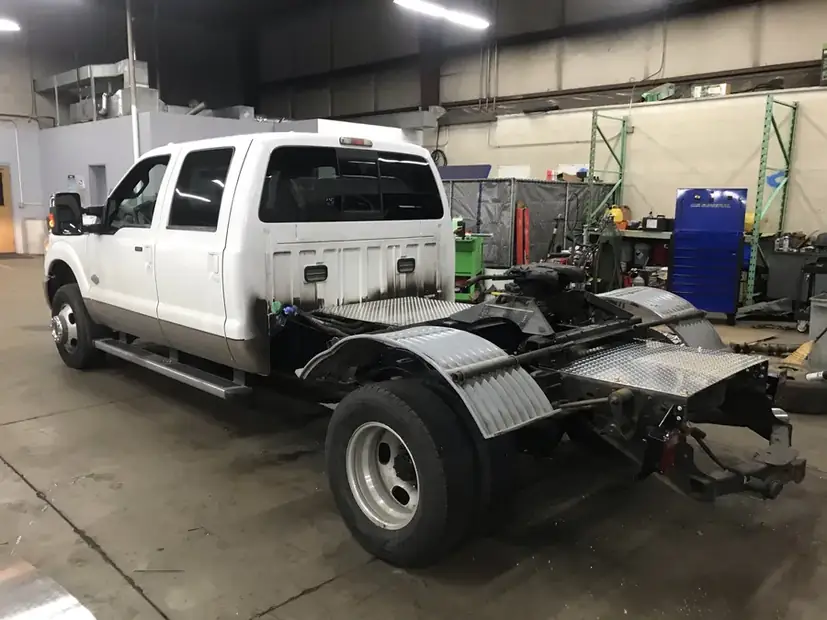
Weakened chassis structures reinforced for rigidity and safety, without changing the geometry the vehicle was designed around.
 4.9 50 reviews from Cleveland customers
Rated with the BBBArc Wheels Welding LLC, since 2023
4.9 50 reviews from Cleveland customers
Rated with the BBBArc Wheels Welding LLC, since 2023
 Black ownedIndependent shop on Cleveland's southeast side
Reinforcing a chassis is easy to do badly. Adding steel in the wrong places makes a frame stiff in one area and moves the flex somewhere it was never meant to be, which is how a reinforced car ends up cracking in a spot the factory never had a problem with.
Done properly it is about understanding where the structure is actually loaded and putting material there, in a way that spreads load into existing structure rather than terminating it abruptly. An abrupt end to a reinforcement is a stress riser, and stress risers are where cracks start.
Older unibody cars where the original design was marginal and sixty years of use has found the limit.
Vehicles getting significantly more power or grip than they left the factory with, where the chassis is now the weak link.
Frames that have been repaired before, where the repair created a stiff section next to a soft one.
Convertibles and anything else without a roof carrying structure, which flex more than the closed version by design.
Chassis with corrosion repairs, where new steel next to old changes how the whole section behaves.
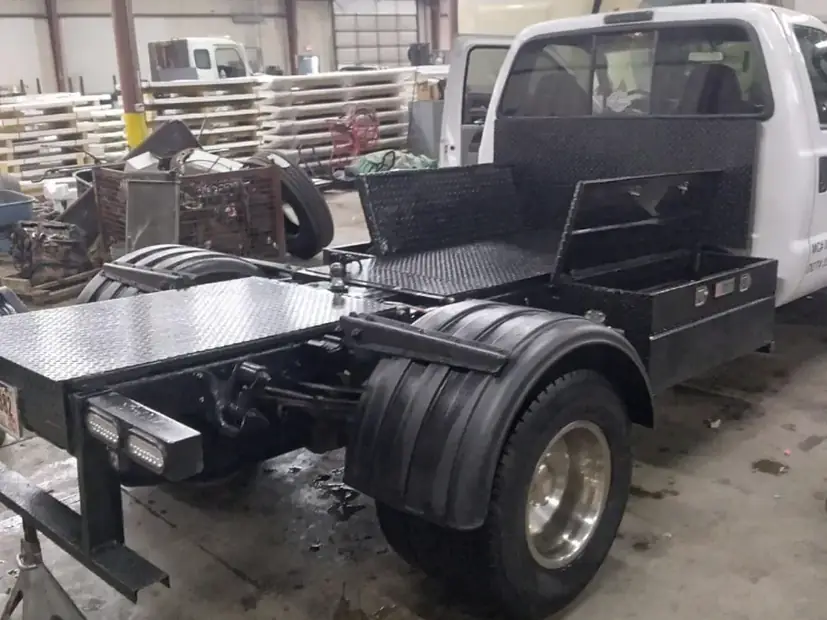
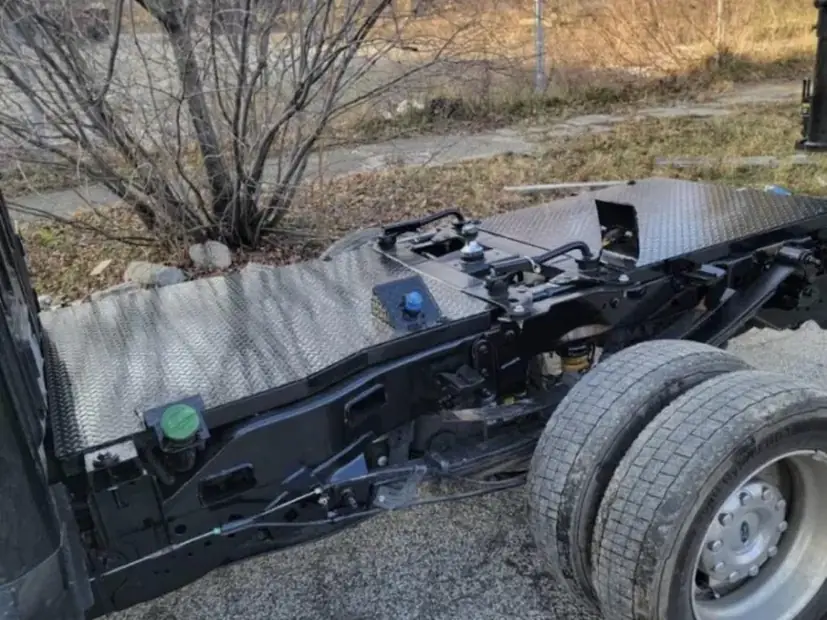
Reinforcement gets tapered into existing structure rather than stopped square. A plate that ends abruptly concentrates stress at the end of the weld, which is where the next crack appears.
Geometry gets preserved. Suspension mounting points stay exactly where the factory put them, because moving a pickup point by a few millimetres changes how the car behaves in a way nobody wants to diagnose later.
Heat gets managed, because welding a long seam on a chassis rail pulls the rail. On anything where alignment matters, the sequence of welds is part of the job rather than an afterthought.
Anything requiring a certified cage or a competition sanctioning body's approval. That is a specific ticket and this shop does not hold it.
That is generally the point, and it should change it in the direction you asked for. What it must not do is move suspension pickup points or create a stiff section next to a soft one, which changes handling in ways nobody wants.
Yes, and it is a requirement rather than an option. Mounting points get measured and recorded before anything is welded near them, and measured again after.
Often it is the reason you are here. A previous repair that made one section stiff without tapering into the surrounding structure creates a stress riser, and the crack you have now is usually right at the end of that old repair.
Not certified ones. Anything needing a sanctioning body's approval goes to a shop that holds that ticket.
Most quotes come back the same day the shop is open. Free, no obligation, and if it cannot be repaired you will hear that straight.