Interior and exterior railings, handrails and stair components in steel, stainless and mixed material, measured on site and built to fit.
 4.9 50 reviews from Cleveland customers
Rated with the BBBArc Wheels Welding LLC, since 2023
4.9 50 reviews from Cleveland customers
Rated with the BBBArc Wheels Welding LLC, since 2023
 Black ownedIndependent shop on Cleveland's southeast side
Railings are one of the few things around a building where the difference between made to measure and bought off a shelf is obvious to anyone using it. A stock railing cut down to fit a run of steps has posts that land in the wrong places, a handrail that ends awkwardly, and gaps that vary along its length.
Fabricated railing is measured against the actual steps, which on any older Cleveland property are not evenly spaced and not level. Building to the steps you have rather than the steps a catalogue assumed is the whole job.
Exterior handrails and guardrails for porches, stoops and basement stairs, which is most of the work on residential property here.
Interior railings and balustrades, in steel or mixed with wood.
Stair stringers, treads and landing frames where the existing structure has gone.
Commercial handrails for shops and small businesses, built to the dimensions the code requires rather than approximately.
Repairs to existing runs, which is a separate page because it is a different job.
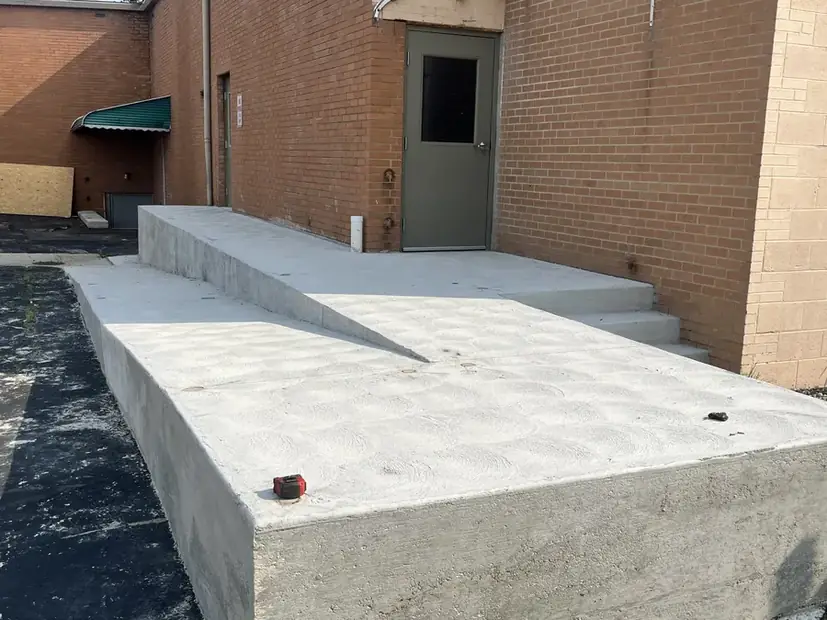
Old steps are rarely even. Riser heights vary, the run is often not straight, and the top and bottom landings are frequently different heights. A railing measured off one step and repeated will be visibly wrong by the fourth.
So the whole run gets measured and the railing gets built to that, which is why fabricated costs more than stock and why it looks right.
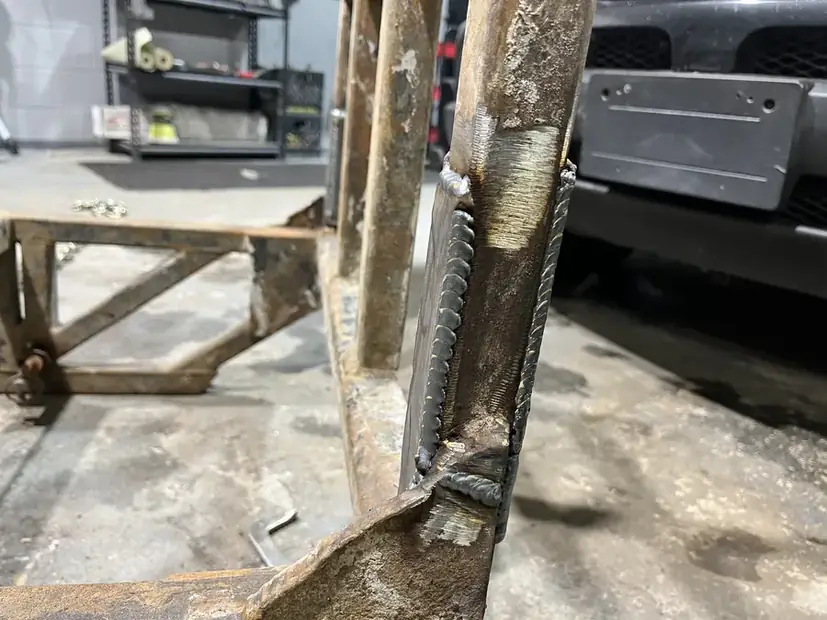
Mounting matters as much as the railing. A perfectly built handrail bolted into crumbling concrete is a handrail that comes away in somebody's hand, so the fixing points get assessed and, where needed, base plates get sized to spread the load into sound material.
Anything requiring an engineer's stamp for a commercial structure. We build to code requirements, but a design that needs certified sign off needs a structural engineer and we will tell you that up front.
Usually. Bring a photo and a measurement of the section and spacing. Older railings often used stock that is no longer made, in which case we get as close as the available material allows and tell you where it differs.
Either. Some customers want it built and delivered ready for their own installer. Others want it fitted. Say which when you call.
It costs more than a big box kit and less than most people expect. Where it wins is on old steps, which are never even, and where a stock kit ends up looking obviously wrong.
Yes. Height, spacing and loading requirements get built in from the start rather than corrected afterwards. Anything needing a certified engineer's stamp is a different scope and we will say so.
Most quotes come back the same day the shop is open. Free, no obligation, and if it cannot be repaired you will hear that straight.