Buckets, blades, booms, mounting ears and equipment frames. Welded where the machine sits, because trailering a broken machine costs more than the repair.
Equipment does not break at convenient times and it rarely breaks in a way that lets you drive it somewhere. A cracked bucket ear, a blade mount that has torn, a boom with a hairline running from a pin boss. In every one of those cases the machine is either unsafe to use or unsafe to move, and the clock is running from the moment it stops.
That is the case for going to it. Most equipment welding here happens on site, in a yard or on a job, with stick because it works outdoors in wind and on steel that is not clean.
Bucket ears and pin bosses, which take every bit of the breakout force through a small area.
Cutting edges and blade mounts, which wear and then crack at the wear line.
Boom and stick weldments, usually starting at a corner or a plate transition rather than in the middle of a section.
Mounting ears and brackets where attachments bolt on, which take shock loading every cycle.
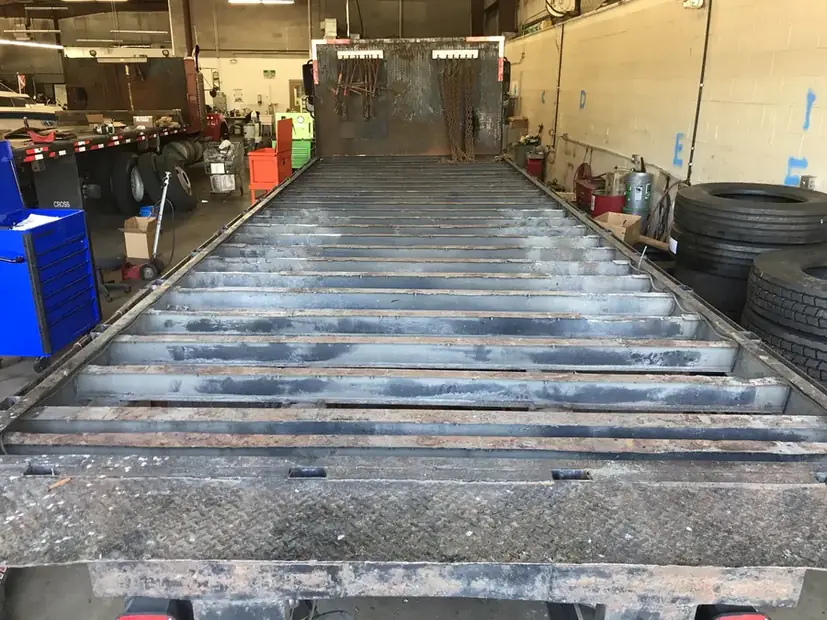
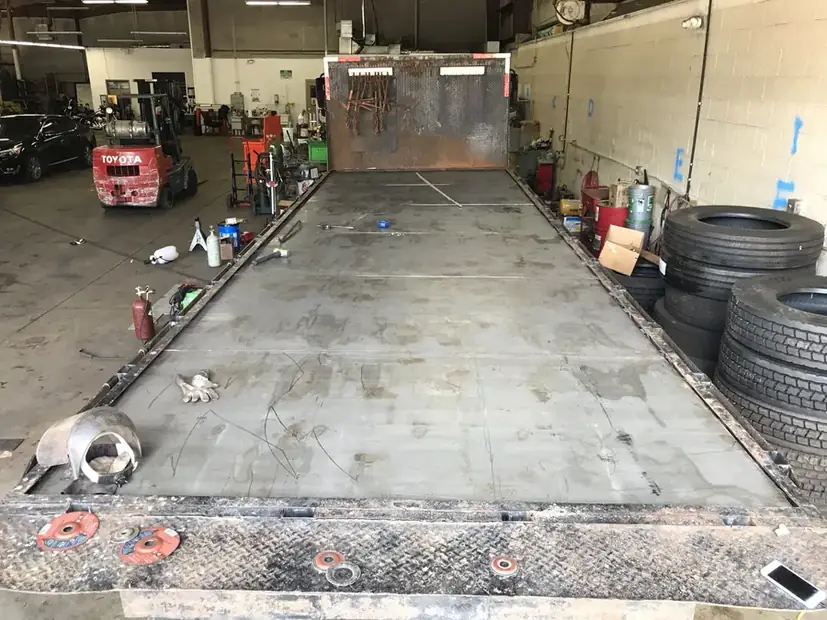
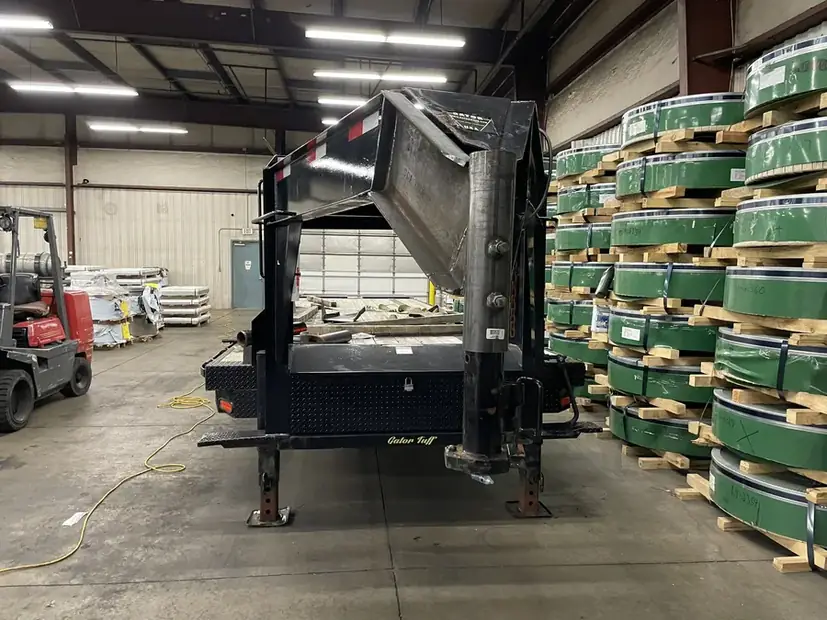
Frames and decks on older machines, where corrosion and fatigue have arrived at the same time.
Preheat matters on thick sections. Welding cold steel of any real thickness puts the weld under stress as it cools and gives you a crack alongside the one you just fixed.
Cracks get drilled at the tip to stop them running, then ground out through the section and welded in multiple passes. A bead over the top of a crack is a cosmetic repair on a structural problem.
Wear plate and hardfacing on cutting edges is a different job from repairing a crack and gets treated as one, because welding hardfacing like mild steel produces a repair that spalls off.
Certified structural repairs requiring an engineer's sign off, and any repair on a lifting component where a failure puts someone underneath it. Both get referred rather than attempted.
Yes, and that is usually where it gets done. Bucket ears and pin bosses are the most common crack we see, and the machine does not have to move for it.
On anything of real thickness, yes. Welding heavy section cold puts the joint under stress as it cools and cracks appear next to the repair rather than in it.
Hardfacing is a different process from a structural repair and gets treated as one. Welding hardfacing as if it were mild steel gives you a surface that breaks away in service.
Cleveland and the east side as standard, further for fleet or multiple machines. Call and ask, since a single trip covering three machines works out differently to one.
Most quotes come back the same day the shop is open. Free, no obligation, and if it cannot be repaired you will hear that straight.