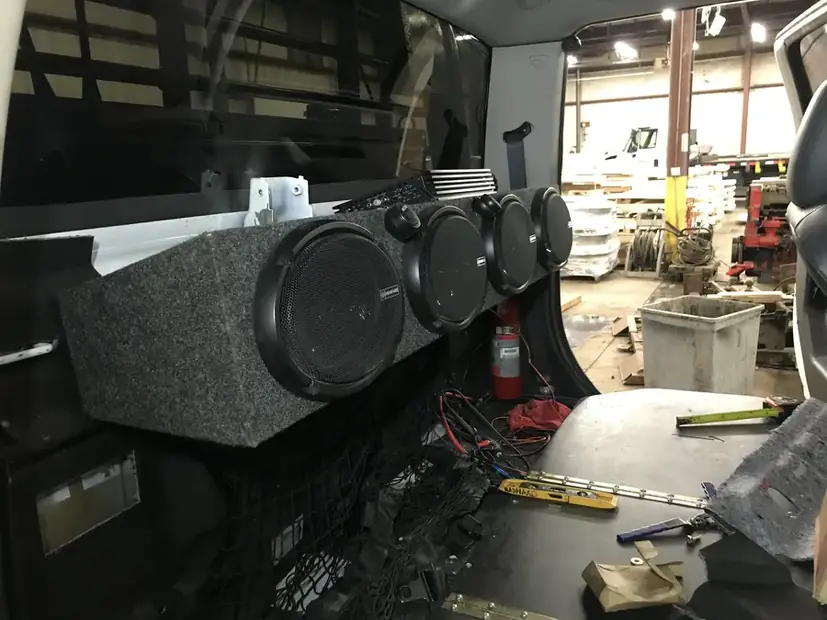
Loading ramps, work platforms, equipment stands and mezzanine sections built to your dimensions and to the load you actually put on them.
The problem with catalogue ramps and stands is the rating. A number on a sticker assumes a load applied evenly at the centre, in the conditions the test used. Real loads are off centre, dynamic, and applied by somebody in a hurry, and that is the difference between a rating and reality.
Fabricated means built for what you actually put on it, in the space you actually have, which on most shop floors and yards is not a standard size anyway.
Loading ramps for trailers, docks and shop floors, sized for the machine going up them rather than the average machine.
Work platforms and stands, including the awkward heights that no catalogue offers.
Equipment stands and machine bases, where vibration and dynamic load matter more than static rating.
Mezzanine sections, edge protection and access steps.
Wheel stands, engine stands and shop fixtures, one off, for people who got tired of working around the wrong tool.
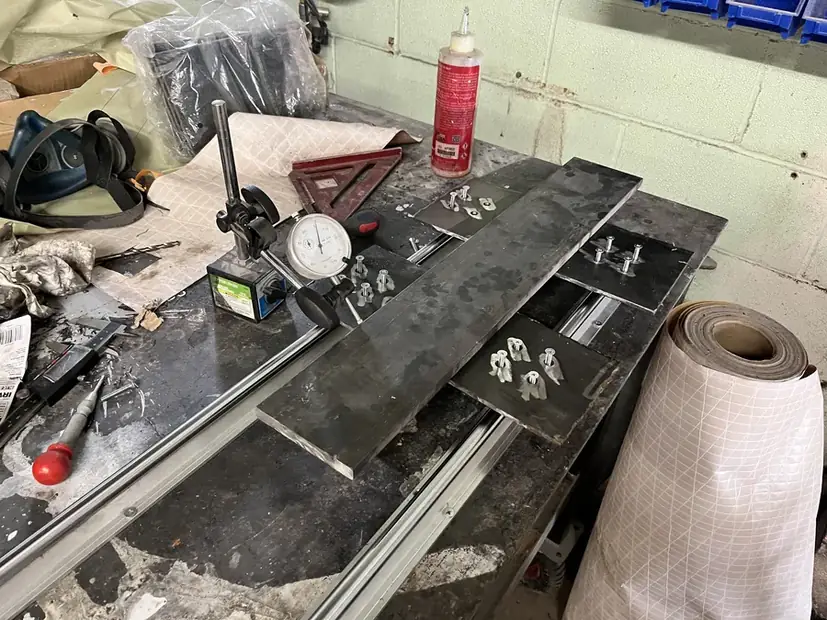
The first question is always what goes on it, how, and how often. A stand carrying a static load and a stand carrying something that gets dropped onto it are different builds even at the same weight.
Off centre loading is what kills most stands. A platform rated for a tonne in the middle can fail well under that with the weight at one edge, so the frame gets designed for the worst case rather than the tidy one.
Dynamic loads multiply. Something rolled on, dropped on or driven on applies considerably more than its weight for a moment, and that moment is when things bend.
Where a job genuinely needs certification and a rating anyone can rely on legally, that needs an engineer and gets said up front.
Anything needing a certified load rating for regulatory purposes. We build to the load case you give us, but a certified rating needs an engineer and we will point you at one.
Yes, and that is the point of building rather than buying. Tell us the machine, the weight and how it drives on, and the ramp gets sized for that.
We build to the load case you give us and tell you what it is designed for. A certified rating that carries legal weight needs a professional engineer, and we will say so rather than imply otherwise.
Yes. Bring dimensions and a photo. Matching an existing run is straightforward and usually cheaper than you would expect.
Depends on the job. Shop fixtures go out ready to use. Anything fixed to a building gets discussed, because that can move into structural territory.
Most quotes come back the same day the shop is open. Free, no obligation, and if it cannot be repaired you will hear that straight.